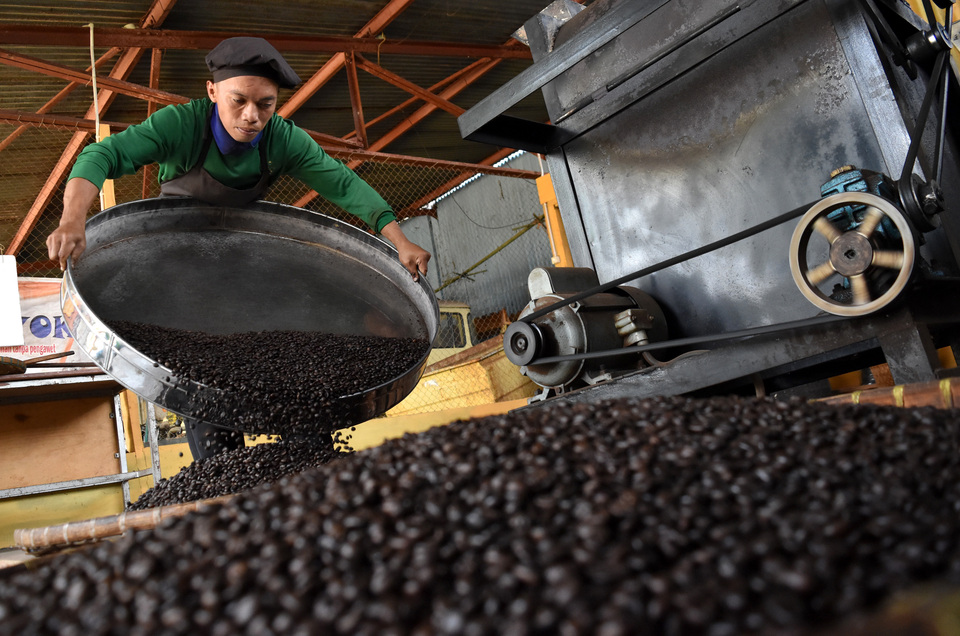
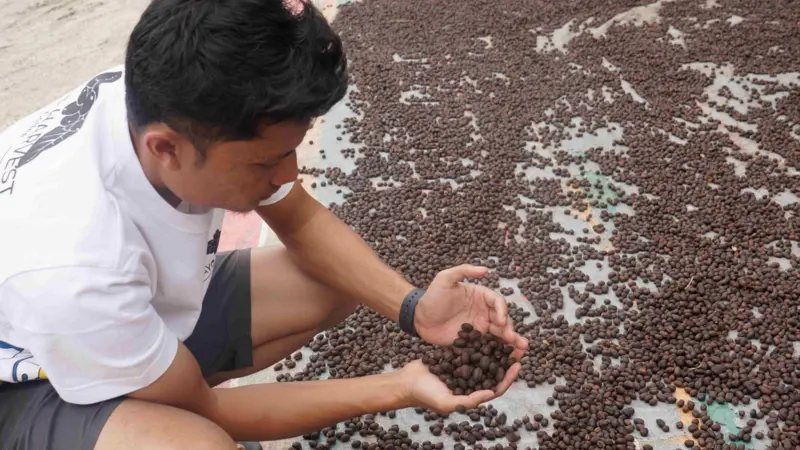
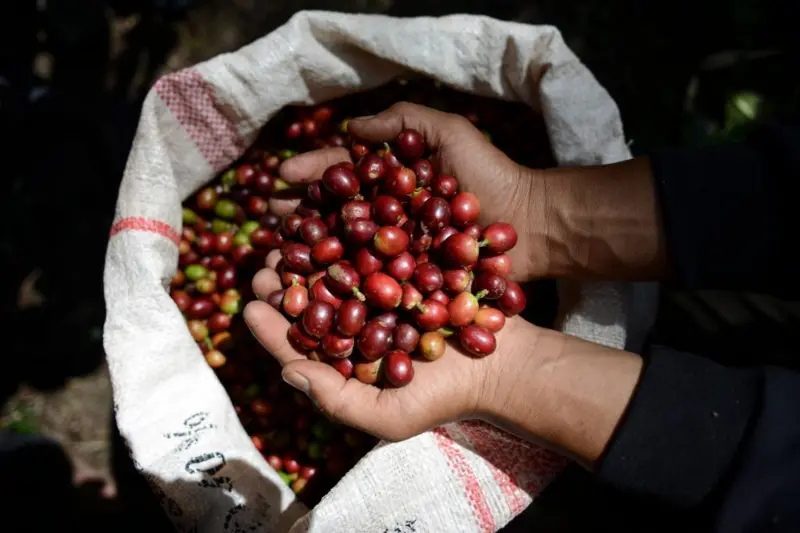
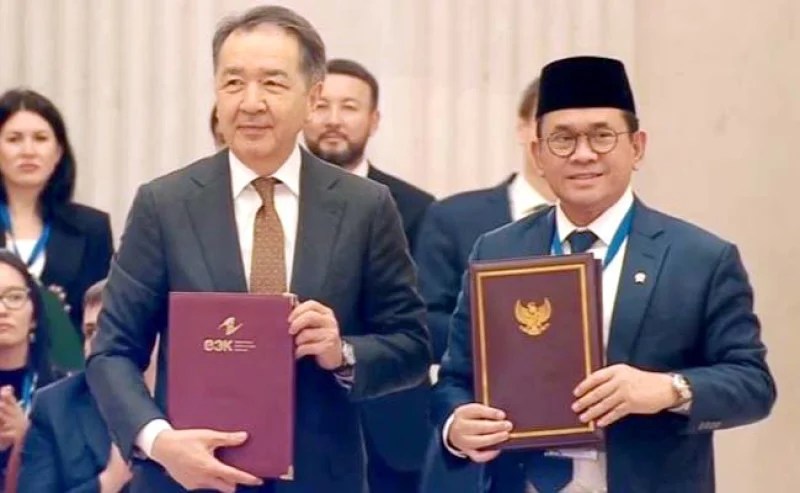
The Indonesian government is intensifying its trade diplomacy efforts with the United States, aiming to achieve a more equal and balanced tariff treatment for its key export commodities. This strategic push is crucial for boosting Indonesia’s competitive edge and is set to significantly benefit the nation’s specialty coffee sector, particularly for B2B transactions targeting the vast North American market.
Indonesia is seeking better trade parity to ensure that its premium agricultural products, including high-grade Arabica and Robusta, are not unduly burdened compared to competitors. Tariffs and non-tariff barriers directly impact the final landing cost of green beans, which is a key factor for US roasters when making large-volume sourcing decisions.
The success of these negotiations is expected to translate into more competitive pricing for Indonesian green beans, making them an even more attractive and economical option for importers and roasters across the United States.
The US remains one of the largest and most valuable markets for specialty coffee globally. By reducing or leveling the playing field on import duties, Indonesian coffee exporters will be better positioned to increase market share, challenge established suppliers, and introduce more diverse single-origin offerings like Mandailing, Toraja, and Bali Kintamani.
This high-level government advocacy reinforces the stability and commitment of Indonesia as a reliable long-term supply partner. For US buyers, this diplomatic push signals a proactive environment for easier and more streamlined sourcing channels from Indonesian origins.
Ultimately, this diplomatic strategy supports the entire value chain—from smallholder farmers gaining fairer prices to US consumers enjoying greater access to premium, competitively priced Indonesian specialty coffee.
Prospective importers are encouraged to capitalize on this developing trade environment by securing future contracts now to lock in favorable pricing expectations.